
NBA 2K26 Rebuild Guide: How to Turn the Milwaukee Bucks into a Championship Contender
Jun-30-2026 PSTSummary
Rebuilding the Milwaukee Bucks in NBA 2K26 presents a unique challenge after the departure of the franchise's superstar. Instead of chasing immediate success, the most effective strategy is to accumulate young talent, recover future draft assets, maintain financial flexibility, and gradually construct a balanced roster. This guide explains a step-by-step rebuilding approach that transforms the Bucks from a transitional team into an NBA champion through smart roster management and long-term planning.
Step 1: Evaluate the Post-Trade Roster
A successful rebuild begins with understanding the team's strengths and weaknesses.
The Bucks still possess several useful players after the blockbuster trade, including Tyler Herro, Ryan Rollins, Kyle Kuzma, Myles Turner, Kel'el Ware, Jaime Jaquez Jr., and two lottery selections from the current draft. Rather than viewing the roster as a finished product, identify which players fit the long-term timeline and which can become future trade assets.
Young prospects should receive consistent playing time from the beginning of the season, allowing their overall ratings and potential to develop naturally.
Step 2: Avoid Aggressive Free Agency Spending
One of the biggest rebuilding mistakes in NBA 2K26 is overspending during the first offseason.
Instead of signing expensive veterans, preserve salary cap flexibility while filling the roster with affordable role players. Since the team is not expected to contend immediately, investing heavily in free agency provides limited value.
Retaining financial flexibility also makes it easier to absorb unwanted contracts later in exchange for valuable draft compensation.
Step 3: Prioritize Player Development
Young players should become the foundation of the rebuild.
Increase the playing time for rookies such as Braden Burries and Nate Ament, while allowing Ryan Rollins to take on a larger offensive role. Adjust shot tendencies so these developing players receive more scoring opportunities throughout the regular season.
Higher usage frequently leads to stronger statistical production, improved player progression, and increased trade value.
Step 4: Trade Veterans for Future Assets
Rather than attempting to remain competitive with an average roster, convert veteran players into long-term resources.
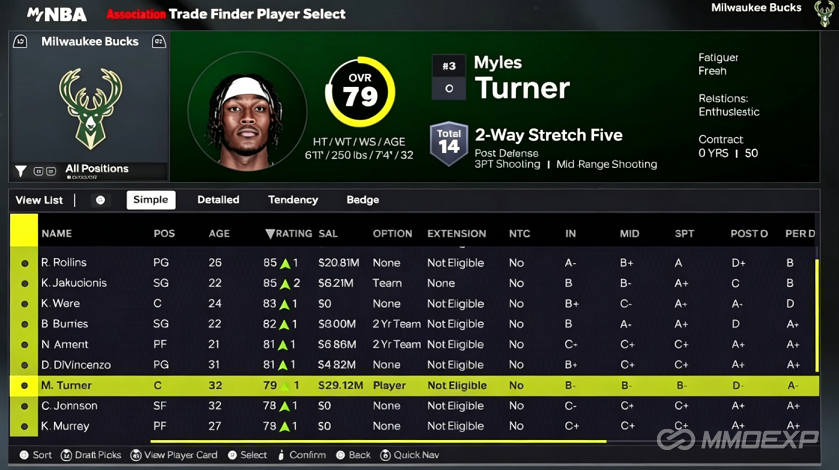
Useful trade candidates include:
Kyle Kuzma
Tyler Herro
Gary Trent Jr.
Myles Turner
Focus on acquiring:
Future first-round picks
Young prospects
Expiring contracts
Players with untapped potential
Even if a trade slightly weakens the current roster, additional draft capital creates more opportunities to improve the team over multiple seasons.
Step 5: Target Teams Looking to Contend
Contending teams often value experienced veterans more highly than rebuilding franchises.
Monitor the trade market throughout the season and identify organizations actively pursuing a championship. These teams are generally more willing to exchange future draft picks for immediate contributors.
Remaining patient until the trade deadline often results in stronger offers than making trades during the offseason.
Step 6: Continue Scouting Every Draft Class
Even without owning every first-round selection, scouting remains essential.
Unexpected trades or lottery movement can quickly create new draft opportunities. By completing scouting reports early, you can immediately identify the best available prospects if additional picks become available.
Pay particular attention to players with high ceilings rather than focusing solely on their initial overall ratings.
Step 7: Draft for Long-Term Potential
When rebuilding, long-term upside should take priority over immediate production.
Prospects with elite athleticism, strong defensive tools, or All-Star potential may require additional development but often become franchise cornerstones after several seasons.
If the talent gap between prospects is minimal, consider trading down to acquire additional future assets while still selecting a promising player later in the draft.
Step 8: Take Advantage of Salary Dump Opportunities
NBA 2K26 rewards teams willing to absorb difficult contracts.
When another organization wants financial flexibility, offer to take on large salaries in exchange for future first-round selections. Although these contracts temporarily reduce cap space, the additional draft assets often provide greater long-term value.
Building through asset accumulation creates significantly more flexibility than relying solely on free agency.
Step 9: Sign High-Upside Free Agents
Once the roster begins to stabilize, selectively pursue younger free agents who still have room to improve.
Rather than chasing aging superstars, focus on players entering their prime years. These additions can complement your developing core while remaining valuable for multiple seasons.
During this stage, accumulating additional NBA 2K26 MT can also help strengthen MyTEAM progression, while Franchise players should continue emphasizing efficient contract management and long-term roster construction to maximize organizational success.
Step 10: Make Calculated Star Trades
After establishing a solid young core and collecting future draft capital, the franchise is finally positioned to pursue star-level talent.
Before completing any blockbuster trade, evaluate several factors:
Age
Contract length
Injury history
Fit with the current roster
A talented player who struggles to remain healthy can significantly delay a rebuild, making durability just as important as overall rating.
Step 11: Build Around Emerging Stars
As young players develop, gradually transition them into leadership roles.
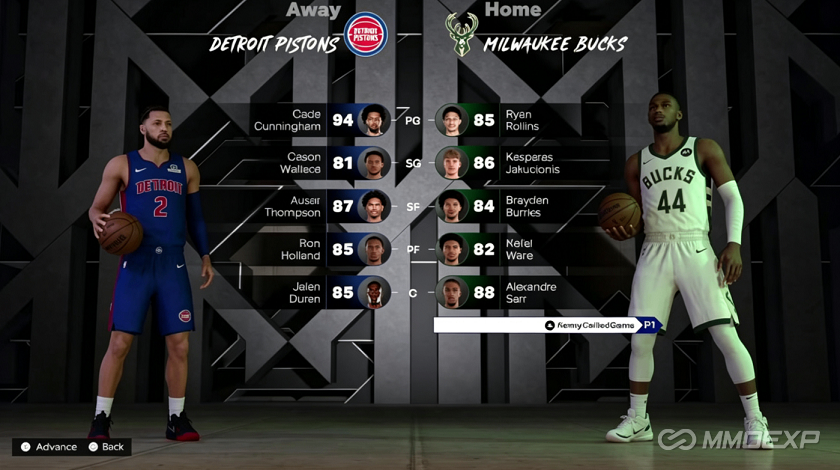
Increase their offensive responsibilities, improve the starting lineup around their strengths, and surround them with complementary defenders, shooters, and secondary playmakers.
This balanced approach creates a roster capable of competing consistently rather than relying on one superstar.
Step 12: Maintain Depth Throughout the Season
Depth often determines playoff success.
Reserve players should be capable of contributing meaningful minutes, especially when injuries occur during the regular season or postseason. Reliable bench production helps maintain consistency across an 82-game schedule while reducing the workload placed on starters.
Strong rotational depth also provides additional flexibility when making future trades.
Final Thoughts
Rebuilding the Milwaukee Bucks in NBA 2K26 is less about finding an immediate replacement for a departing superstar and more about creating sustainable success through disciplined roster management.
By prioritizing player development, collecting future draft assets, making patient trades, and gradually adding high-impact talent, you can transform the franchise into a legitimate championship contender. While the rebuilding process may require multiple seasons, careful planning and consistent decision-making ultimately produce a roster capable of competing for NBA titles year after year.